
Did You Know Dogs Dream Just Like Us? 🐶💭
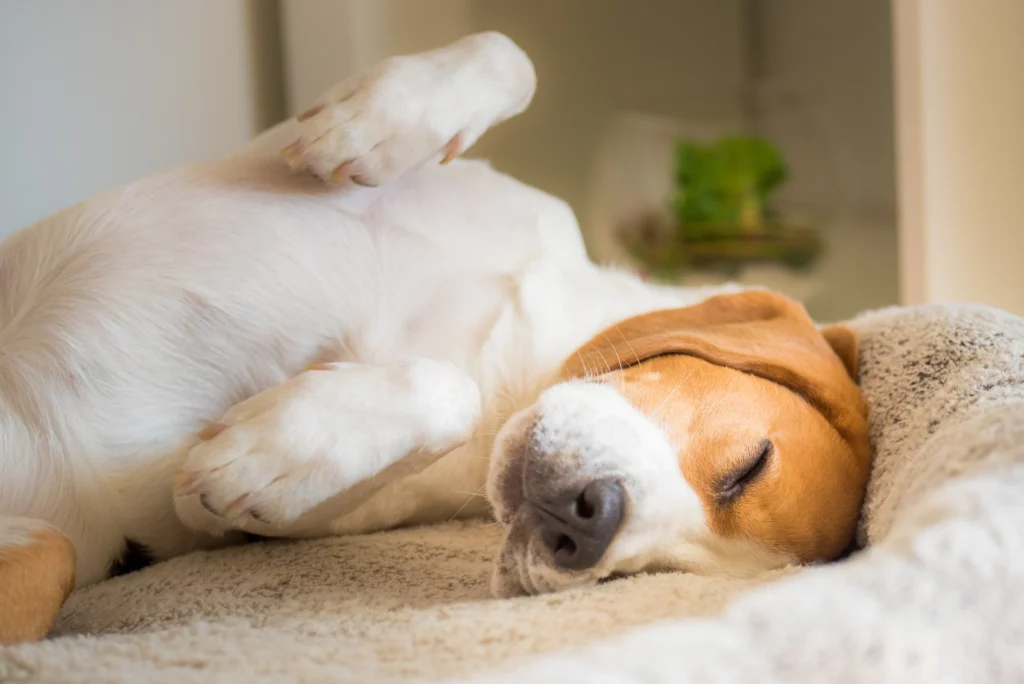
If you’ve ever watched your dog sleep and noticed twitching paws, little woofs, or rapid eye movements, you’re not imagining things—your dog is very likely dreaming. Just like humans, dogs experience different stages of sleep, including REM (Rapid Eye Movement) sleep, which is the stage most associated with vivid dreams.
What Are Dogs Dreaming About?
While we can’t ask our dogs what they saw in dreamland, science gives us some pretty good clues. During REM sleep, the brain processes memories and experiences from the day. That means when your dog’s legs start moving like they’re sprinting across the yard, they may be replaying moments from their waking life—chasing squirrels, playing fetch, greeting their favorite human, or yes… dreaming about that irresistible treat jar.
Studies suggest that dogs tend to dream about familiar activities and people, much like we do. Puppies and senior dogs often dream more frequently because their brains are either rapidly developing or undergoing changes with age. If your dog had an especially exciting day, don’t be surprised if their dreams are extra animated that night.
Why Do Dogs Twitch and Bark in Their Sleep?
During REM sleep, the body naturally relaxes so we don’t physically act out our dreams. Dogs have a similar mechanism, but sometimes it’s not perfect. That’s why you might see tail wags, paw movements, ear flicks, or hear little barks and whines. It’s usually completely normal and a sign your dog is deeply asleep.
Unless your dog appears distressed or the movements are violent, it’s best to let them sleep. Waking a dog suddenly from REM sleep can startle them—just like waking a human from a deep dream.
Is Dreaming Good for Dogs?
Absolutely. Dreaming is believed to play a role in memory, learning, and emotional processing. It helps dogs sort through their experiences and reinforces training and routines. In short, dreaming is part of healthy sleep and overall well-being.
A comfortable sleep environment can encourage better rest and better dreams. A familiar bed, a consistent routine, and plenty of daytime activity all help your dog sleep soundly—and dream happily.
When Should You Be Concerned?
Occasional twitching or vocalizing is normal, but if your dog experiences intense shaking, stiffness, or prolonged episodes that don’t stop when they wake up, it may be worth checking with a veterinarian. Those could be signs of something other than dreaming, such as a seizure.
Sweet Dreams, Pup!
So the next time you see your dog running in their sleep, smiling, or softly barking, take comfort in knowing they’re probably reliving a joyful moment from their day. Whether it’s a game of fetch, a belly rub, or dinner time, your dog’s dreams are likely filled with the things they love most—especially you. 🐾💙
Sweet dreams to your furry friend!